


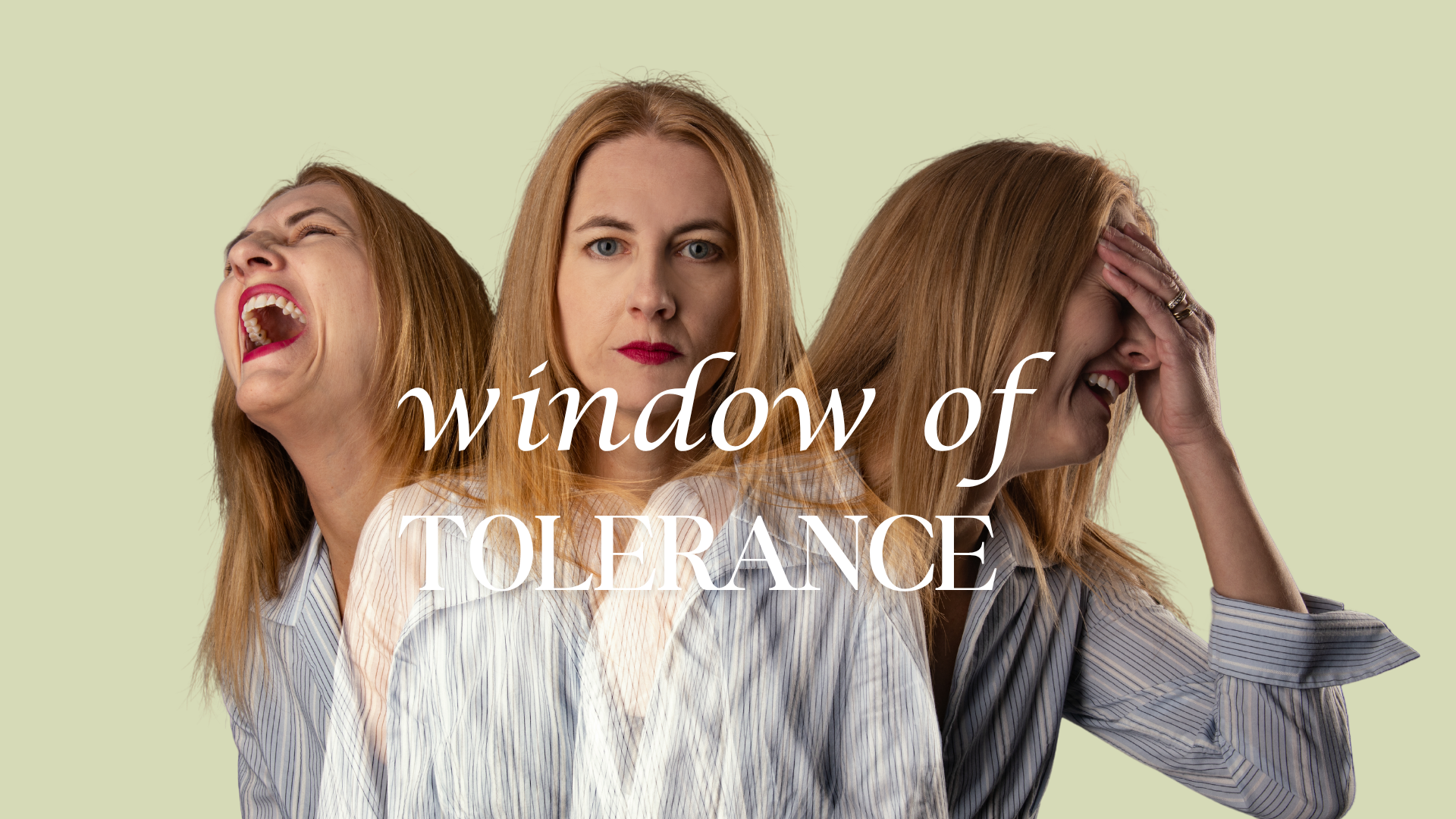
Yoga and The Window of Tolerance
· @Tanya
Understanding your nervous system, on and off the mat
Picture a straight line drawn across a page. Absolute stillness.
Now picture a wave moving over the top of it. Rising, falling, never quite the same twice.
That wave is life. And it’s also our breath, our energy and our emotions. Nothing inside us stays constant. Some days the wave is gentle. Other days it lifts us high or pulls us low.
In yoga, we learn to notice this wave rather than fight it. And when we bring in a little understanding of the nervous system, something beautiful happens. We begin to see our reactions not as failings, but as our body doing its very best to look after us.
This is the heart of our work at Clayfield Yoga Studio…
The accelerator and the brake
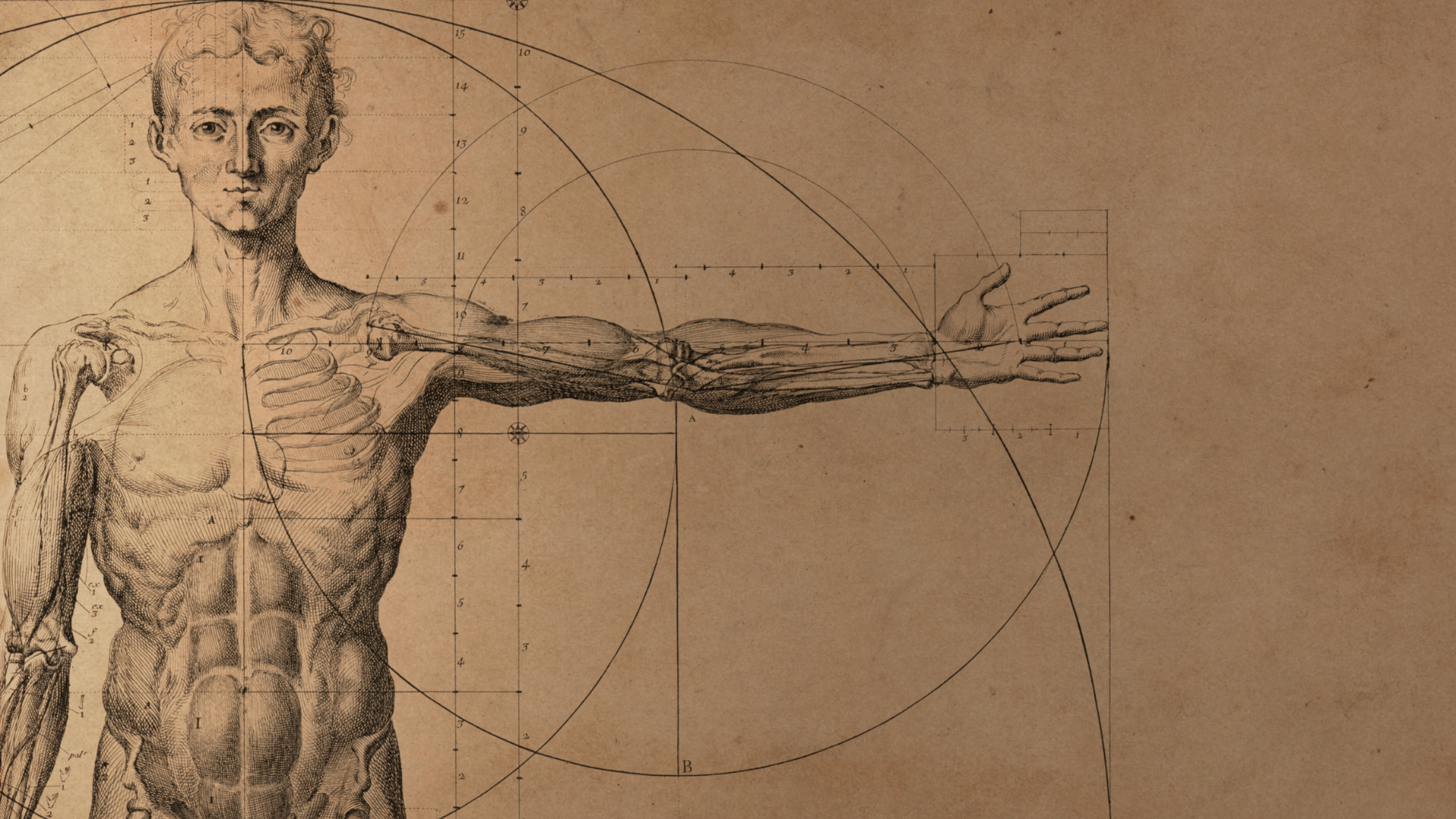
Your nervous system is the body’s communication network. It’s always listening, both to what’s happening inside you (sensations, thoughts, emotions) and to what’s happening around you (people, places, events).
The part we focus on is the autonomic nervous system, which looks after the things we don’t consciously control, like our heartbeat, breath and digestion. It has two branches.
The sympathetic nervous system is the accelerator. It’s our fight-or-flight response. When we face a challenge, it revs us up: the heart beats faster, breathing quickens, energy floods the muscles, and digestion takes a back seat. It’s why we feel butterflies before a big moment.
The parasympathetic nervous system is the brake. It’s our rest-and-digest response. It slows the heart and breath and gives the body space to digest, repair and recover.
We need both. The accelerator helps us get things done, enjoy life and even turn up to a yoga class. The aim isn’t to switch it off. It’s flexibility: moving between the two as life asks, and finding our way back to rest when we can.
Our body can respond to a work deadline or a difficult conversation with some of the same responses it would use if a tiger were chasing us. When we spend a long time in that heightened state, it can feel as if the body is working against us. It isn’t. Your nervous system is doing its best to take care of you.
A map called the Window of Tolerance
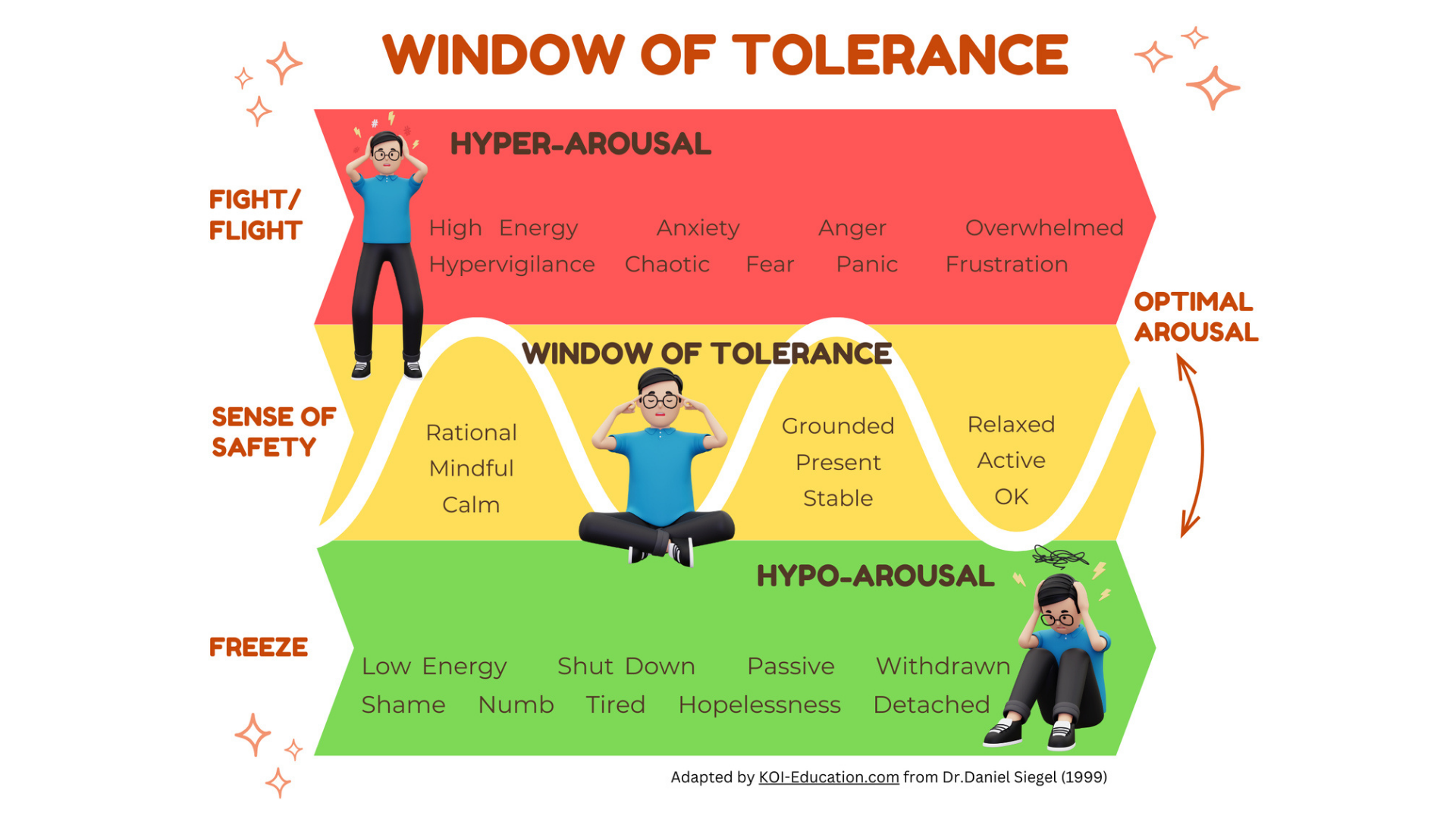
The Window of Tolerance, described by Dr Daniel Siegel, is the zone where we can generally think clearly, manage our emotions and cope with the ups and downs of everyday life. It grew out of trauma research, but it’s a helpful map for all of us.
We like to picture it in three colours.
The yellow zone is your window. Here we feel present, connected and able to respond. And it isn’t only about feeling calm. Towards the top we might feel excited, joyful or a little unsettled. Towards the bottom, mellow, tired or quiet. We can feel all of these and still cope.
The red zone is hyperarousal. As we move up and out of our window, we might notice racing thoughts, restlessness, tension or irritability. Further up, anxiety, overwhelm and the sense that everything is happening at once.
The green zone is hypoarousal. As we move down and out of our window, we might feel heavy, slow, withdrawn or flat. Further down, numb, disconnected or shut down. Resting inside the window is very different from shutting down outside it.
A few gentle reminders:
- Everyone’s window is different. Where a feeling sits depends on the person and the day.
- Our window changes. Sleep, food, the people around us, hormonal changes and stress can all narrow or widen it.
- These responses are automatic. Fight, flight and freeze aren’t choices we make. They’re the body’s way of protecting us, which invites compassion for ourselves and others.
The Gunas: an ancient map of the same ground
Yoga philosophy offers its own way of describing these states through the three gunas, the qualities of nature and mind.
Sattva sits at the centre of our window. Its qualities are calm, clarity, balance and peace. One of the aims of yoga is to cultivate more sattva, a steady and clear inner state we can return to.
Rajas is activity, energy and movement. In balance, it gives us the motivation to engage with life. In excess, it becomes restlessness and agitation, much like moving towards the red zone.
Tamas is heaviness, stillness and rest. In balance, it lets us slow down and sleep. In excess, it becomes dullness and inertia, much like moving towards the blue zone.
Neither rajas nor tamas is “bad”. Just like the accelerator and the brake, we need both. These are broad connections rather than exact matches, but it’s lovely to see Western psychology and yoga philosophy describing such similar landscapes in different languages.
Perception and the body
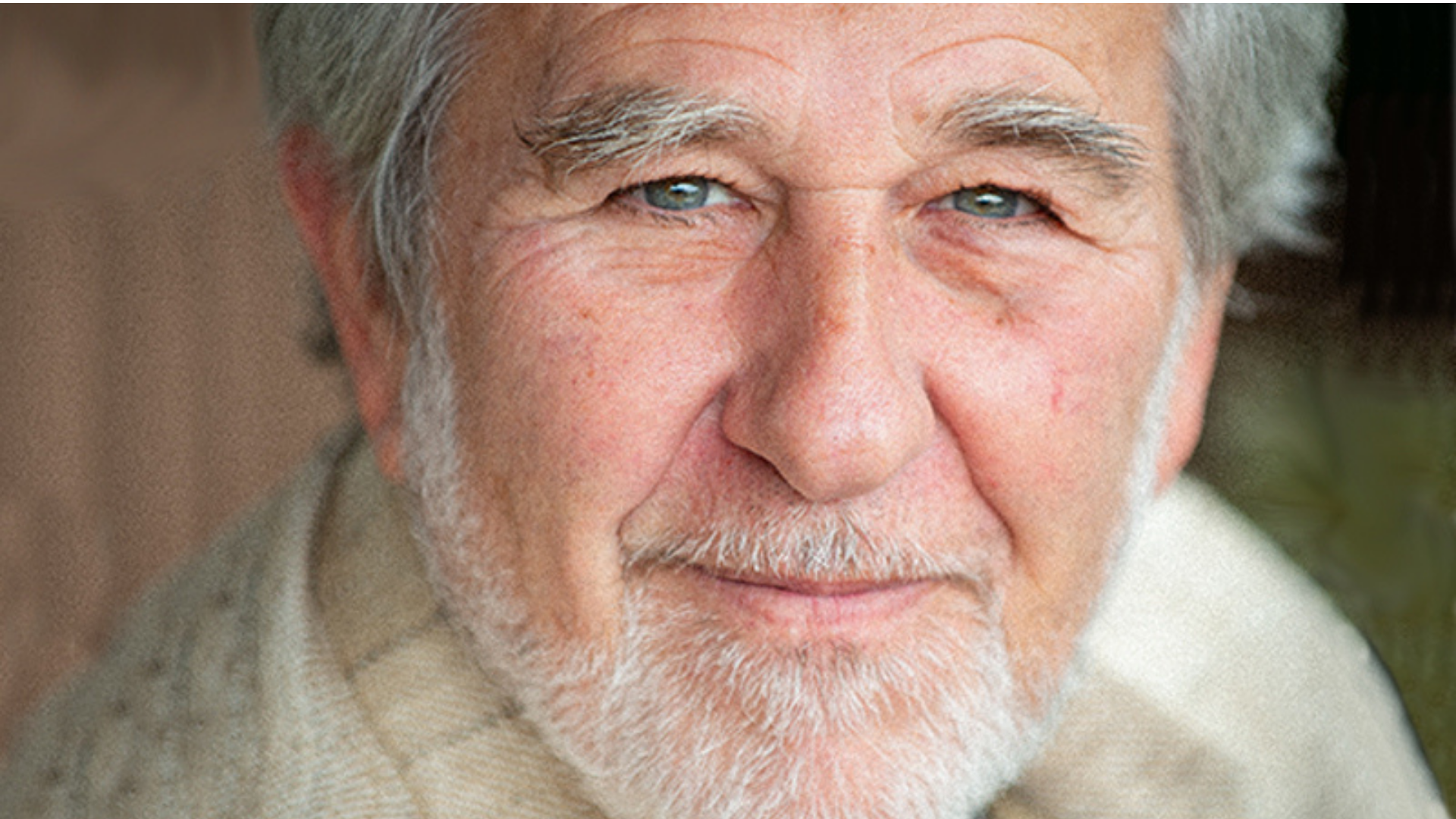
Cell biologist Dr Bruce Lipton, author of The Biology of Belief, offers a thought-provoking idea: our body responds not only to what is happening, but to how we perceive what is happening.
He describes our cells as working in one of two modes. In growth, when we feel safe, energy goes into repair, renewal and digestion. In protection, when we sense a threat, stress chemicals such as adrenaline and cortisol are released, and energy shifts towards the muscles and quick reactions.
These chemicals are helpful in short bursts. They’re part of what keeps us safe. But when our perceptions keep us outside our window for long stretches, replaying a worry or bracing for the worst, the body keeps responding as though the threat is real. The body doesn’t always know the difference between the tiger and the thought of the tiger.
The hopeful part is this: if perception plays a role, then how we see things is something we can gently explore.
Some of Lipton’s broader ideas are still debated by scientists, so we offer this as one more map to stay curious with. For more, you might enjoy The Biology of Miracles*, an audiobook with Dr Wayne Dyer and Dr Bruce Lipton.*
The Eight Limbs: guidance for a steadier nervous system
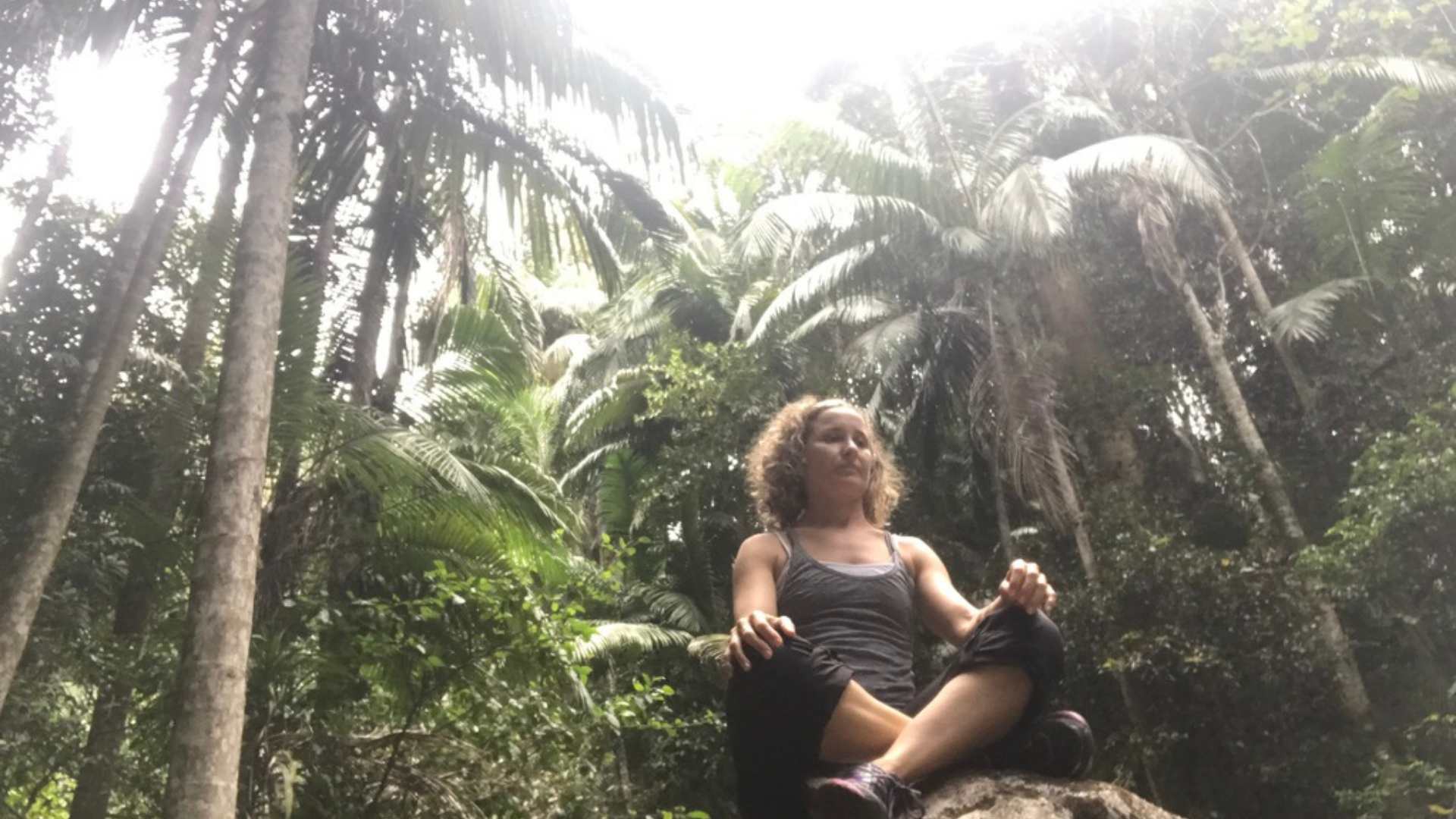
Long before we had words like “sympathetic” or “window of tolerance”, the sage Patanjali described, the eight limbs of yoga. Asana (posture) and pranayama (breathwork) are the limbs most of us know. Breath is one of our most direct ways to influence how we feel: a longer exhale to settle, a fuller inhale to lift.
The first two limbs, the yamas and niyamas, offer quiet, practical guidance for how we live, and they speak beautifully to the nervous system.
The yamas: how we meet the world
- Ahimsa, non-harming: meeting our reactions with kindness, because harsh self-talk is another threat the body responds to.
- Satya, truthfulness: being honest about where we are on the map today.
- Asteya, non-stealing: not stealing our own rest.
- Brahmacharya, wise use of energy: not burning out in rajas or sinking into tamas.
- Aparigraha, non-grasping: loosening our grip on control and outcomes, and riding the wave rather than fighting it.
The niyamas: how we care for ourselves
- Saucha, clarity: noticing what we take in, from news and screens to food and company.
- Santosha, contentment: accepting where we are today, whichever zone we’re in.
- Tapas, steady practice: building capacity slowly and gently at the edges of our window.
- Svadhyaya, self-study: getting to know our own patterns.
- Ishvara pranidhana, surrender: letting go of what’s beyond our control, and giving ourselves permission to rest.
There’s no need to practise all ten at once. Choose one to carry with you this week, and notice how it shapes your days.
Self-Awareness and Self-Enquiry
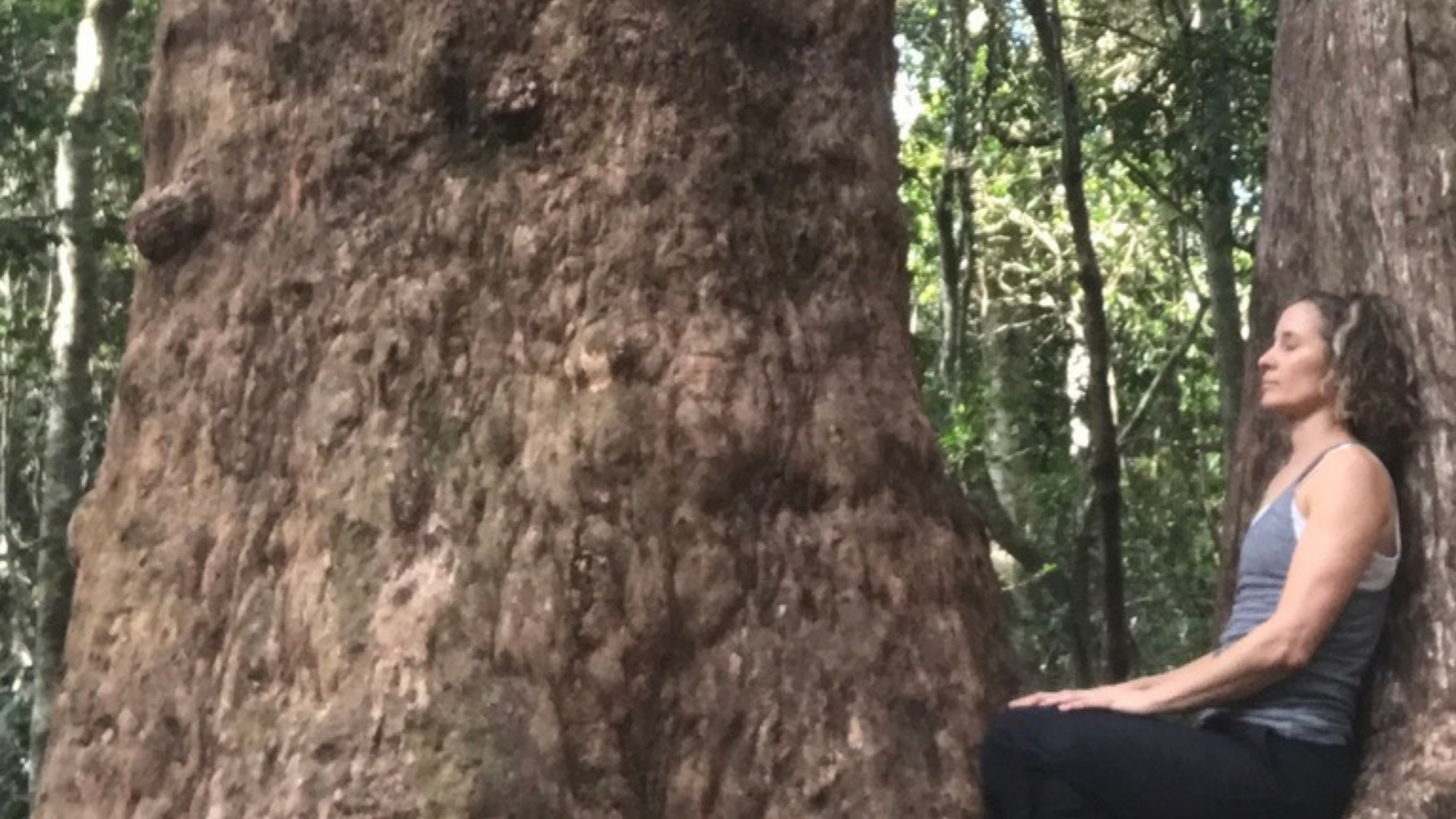
We can’t regulate what we don’t notice. Self-awareness is the anchor that brings us home. When we notice early, a small pause opens up between what happens and how we respond. In that pause we can name what’s here (“I’m in the red zone”, “this feels like tamas”) and choose something that grounds us: a few slow breaths, our feet on the floor, a hand on the heart.
Self-enquiry goes a layer deeper. Self-awareness tells us where we are. Self-enquiry gently asks why: what keeps sending us out of our window, often in the same way, again and again?
I draw upon the training I am doing on the Self Enquiry work of Chris Knight and Tess Mallett of Freedom Together. Chris describes many of our reactive patterns as coming from the Survival Mind, the part of us that turns discomfort into threat. It feels like us, but it isn’t who we are. Self Enquiry invites us to catch the moment we’re pulled into a familiar pattern, stay with the feeling without reacting or shutting down, and see what we’re believing in that moment.
A few simple questions can begin this exploration:
- What happened just before I felt this way?
- What was I telling myself?
- Where did I feel it in my body?
- Have I felt this before?
- Is what I’m believing true right now?
This is svadhyaya, self-study, in action. We go gently and at our own pace. Some patterns are best explored with the support of a qualified professional.
Finding your way back
There’s no one-size-fits-all. The secret is discovering what works for you, then reaching for it when you need it.
When the wave runs high (red zone, rajas), we look for ways to settle:
- Slow, gentle, mindful movement with less effort
- Gentle breathing with a slightly longer, comfortable exhale
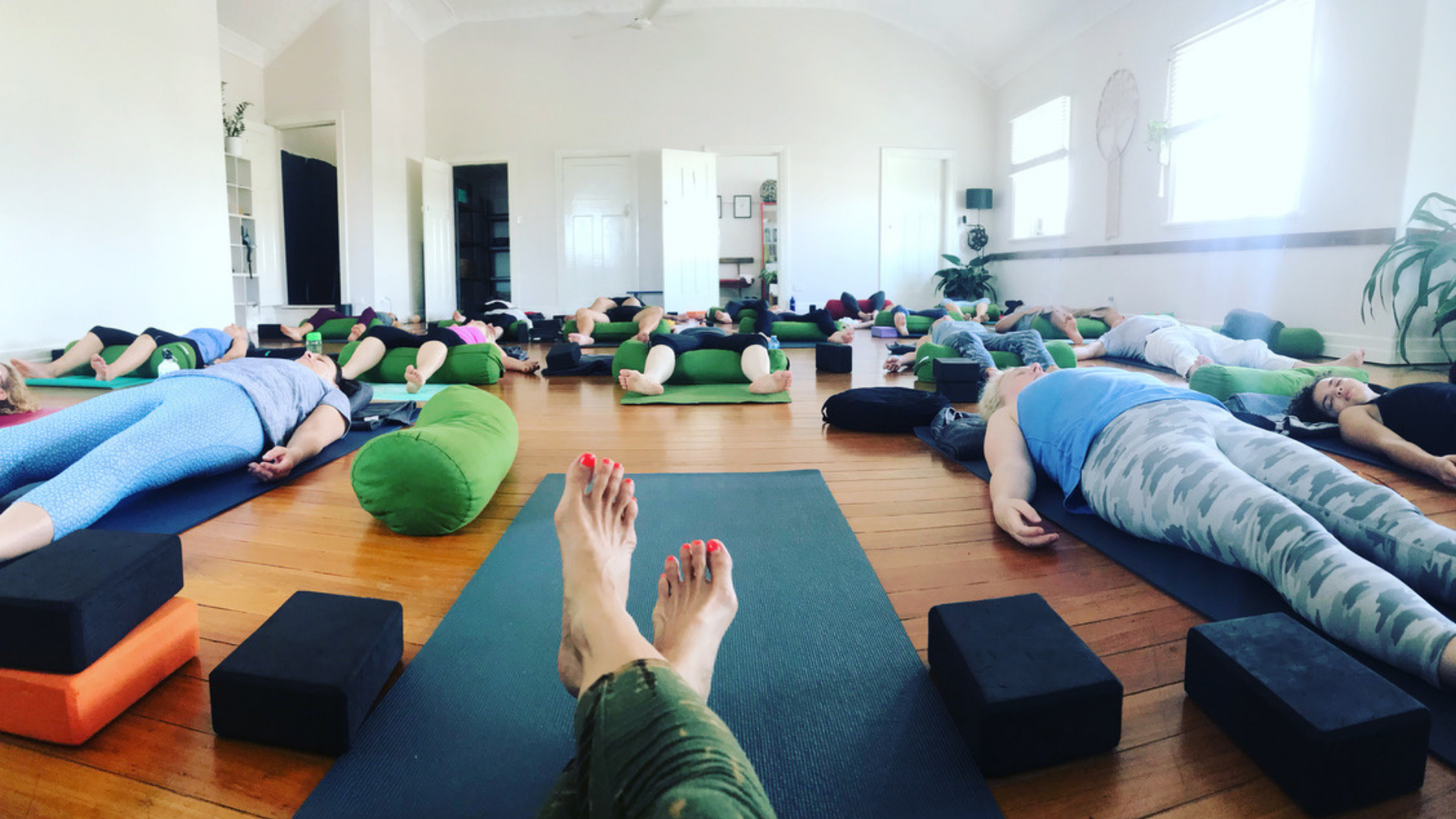
- Yoga Nidra, a guided practice of deep rest
- Restorative and Yin classes, supported by bolsters and blankets
- Time in nature, a cup of tea, quiet space, a long hug with someone you trust
When the wave runs low (green zone, tamas), we look for ways to gently lift:
- Sun Salutations (Surya Namaskar) and flowing Vinyasa, linking breath and movement
- Chest-opening postures, if they suit your body
- Moving in and out of postures rather than holding them
- A walk outside, cooking a nourishing meal, meeting a friend
Notice how you feel before, during and after each practice. Over time, you build your own personal toolkit.
Riding the wave
Life will always move us in and out of our window. That’s being human. The practice isn’t to stay perfectly still on the straight line. It’s to notice the wave, understand what’s happening, and gently find our way back.
A few conscious breaths. A moment of noticing. A little curiosity instead of judgement.
Over time, these small practices help us come to know ourselves, and our window may slowly widen.
If you are interested in classes and workshops to support regulating our nervous system join our mailing list to keep in contact with future events.
Warmly, Tanya
This article is for general education and wellbeing. It isn’t therapy or medical advice.




Leave A Comment